
Every breakthrough begins with vision, fuelled by innovation, and driven by commitment – culminating in varieties that thrive in your field.
By Bray Hudson, Manager Communications, Marketing & Brand
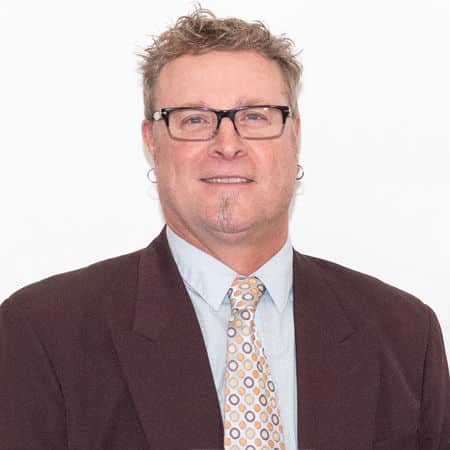
Bray Hudson, FP Genetics
Most people never see the work that happens between a problem and a solution.
When the weather turns, disease pressure shows up early, a crop leans hard after a storm, markets tighten and every decision carries more weight than it should – you still need to move. You still need to choose. You still need to plant something you believe in.
What’s most often overlooked in farming? The courage it takes to commit, season after season, with no guarantees.
This is why the work behind the seed matters.
Long before a variety becomes a household name, or is debated at a seed plant, it exists as a question. Not a marketing question – a field question. The kind you’ve asked yourself, driving past a thin stand or walking into a patch that didn’t hold. What could’ve been different? What would make this easier next time? What would actually help?
Research and development is where those questions go to be answered. Not quickly, not loudly, but honestly. Because the truth is, the seed you buy isn’t a product of one good year. It’s the result of many hard years. Years of trialing in conditions that are always altering. Years of data, comparison, and refinement.
The process starts with your reality. What you’re up against this season, and what you might be up against as the future unfolds.
That timeline matters, new disease threats arrive without warning. Consumer demands shift. End-use requirements tighten. Weather patterns don’t follow the old rules. The future shows up early now – and it shows up in your fields.
The work of building better genetics lives in the future, even while you’re trying to survive the present.
This is where it can be underestimated as to what it takes to bring a variety to life. It isn’t one trial plot and a promising yield. It’s years of replicated trials across multiple locations, under Western Canadian conditions that can expose potential weakness. It’s watching how a trial variety holds up when the season isn’t kind. It’s measuring what actually matters – yield, yes, but also standability, maturity, disease resistance, and quality.
Then comes the part that separates real stewardship from noise: Saying no.
Not every contender moves forward. Not every “good” line is good enough. If a new variety doesn’t clearly improve on what came before, it doesn’t earn a place in the lineup, because you don’t need more options. You need better ones. You need confidence. You need a reason to believe the decision you’re making today will still look smart when the season is done.
That’s why this work takes time. Up to ten years, in some cases, from early evaluation through testing, registration, and seed multiplication. A decade of patience so you can have a better chance at a season that feels less like a gamble.
But research isn’t the only unseen labour behind the seed you trust.
Commercialization is the bridge between discovery and reality- where the promise of a variety is either protected and delivered properly, or lost to shortcuts. It means navigating regulation, protecting intellectual property, multiplying pedigreed seed, and ensuring the integrity of what gets delivered into your hands.
It also means sometimes searching globally for any answers required, building relationships, bringing in material to test, and rejecting what doesn’t fit. The goal isn’t novelty. The goal is resilience. The goal is keeping you globally competitive without asking you to sacrifice what makes Canadian farming strong.
Because farming doesn’t just feed markets. It feeds communities.
When your crop performs, it doesn’t stop at your yard. It moves through equipment dealers, truckers, elevators, processors, local businesses, and families who rely on the momentum agriculture creates. The win is never just personal … Farming wins!
It’s more than just seed.
The important work often happens quietly: in the trial sites, in the data, in the decisions that don’t make headlines. It’s why R&D isn’t a “nice to have.” It’s the backbone. And without it, the whole system wouldn’t exist – for growers, for communities, for the next generation watching what’s building.
Everyone’s taking risks, carrying the pressure, and betting a season on choices made months earlier. The focus being: delivering genetics the same way you farm — with discipline, foresight, and with purpose.
When that happens …….when the right variety shows up at the right time ……..it doesn’t just feel like a product working. It feels deliberate.